
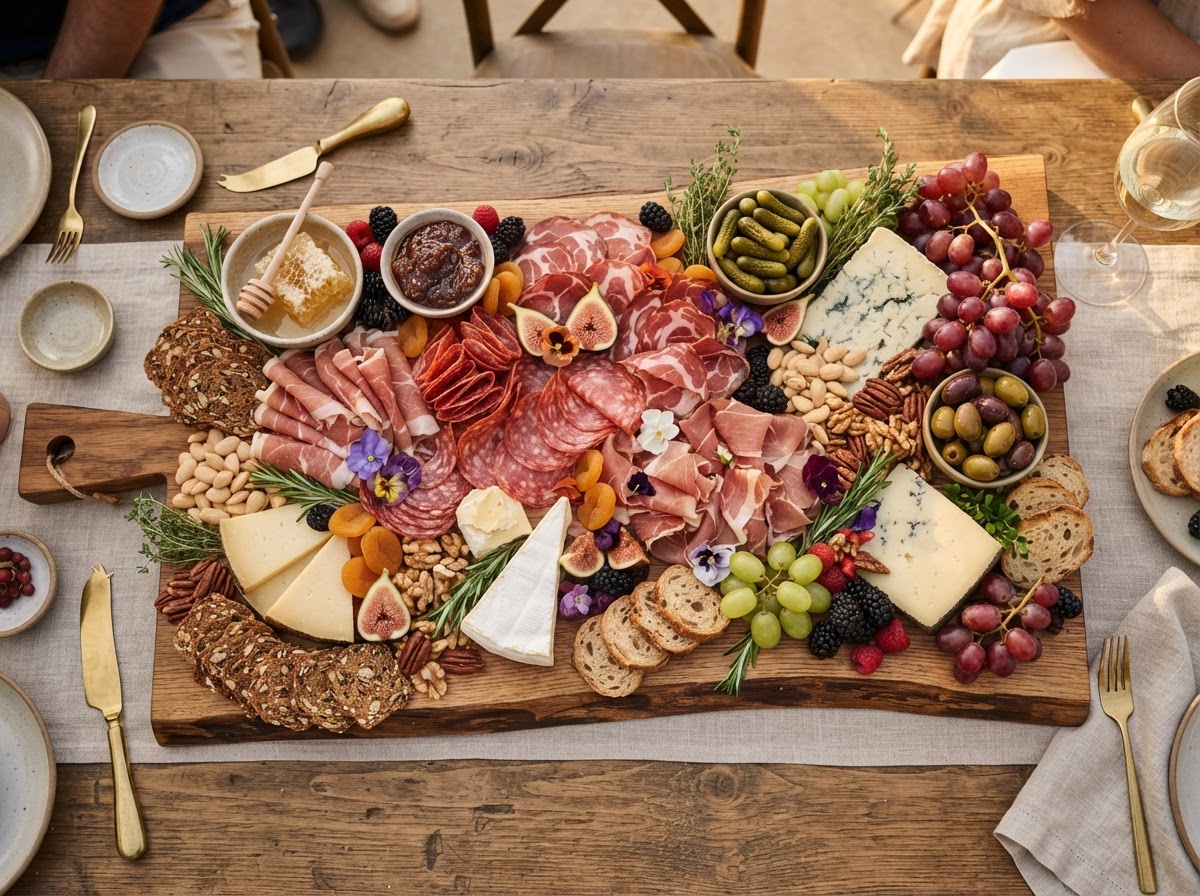
Balanced Meal Prep: Nourishing Plates for the Whole Week
September 1, 2026
Nourishing does not have to mean boring. Here is how to build balanced meal-prep plates that are satisfying, colorful, and good for five days running.
The reputation problem that healthy meal prep has earned is entirely deserved: too many plans equate 'nourishing' with a pile of steamed broccoli and a sad breast of chicken, eaten in silence for a week until you give up and order a pizza. Real nourishment is not deprivation. It is a plate built so that every component earns its place — satisfying protein, vibrant vegetables, a grain with some character, and a fat that carries flavor and keeps you full. When a meal-prep plate is genuinely balanced, it is also genuinely satisfying, and that is the only kind of plan anyone can sustain. This guide is about building those plates, for a whole week, without ending up weary of your own cooking.
What 'Balanced' Actually Means on a Plate
A balanced plate is not a math problem. It is a plate with four parts: a portion of protein for satiety and repair, a generous helping of vegetables for volume, fiber, and micronutrients, a portion of complex carbohydrates for sustained energy, and a source of fat for flavor and fullness. The proportions matter less than the presence of all four. A plate missing the fat feels unsatisfying no matter how much you eat; a plate missing the vegetables feels heavy; a plate missing the protein leaves you hungry again in an hour.
When all four are present, the plate does the work of keeping you full and energized without you having to count anything. That is the quiet luxury of a genuinely balanced meal — it regulates itself.
Choose Components That Survive the Week
The tension in healthy meal prep is that the most nutritious ingredients — delicate greens, fragile fish, crisp raw vegetables — are often the ones that do not keep. The solution is to choose components that are both nourishing and storage-friendly. Sturdy greens like kale and Swiss chard hold up for days. Root vegetables roasted at the start of the week are still excellent on Friday. Cooked grains improve in the fridge. Heartier proteins — braised chicken, baked tofu, roasted fish eaten early in the week — all fit the bill.
- Roasted root vegetables — sweet, savory, and week-long keepers.
- Sturdy greens — kale, chard, and collards over delicate lettuces.
- Hearty proteins — braised chicken, baked tofu, legumes.
- Cooked grains — farro, quinoa, brown rice that hold their texture.
Color Is a Nutritional Strategy
The simplest way to ensure a plate is nourishing is to make it colorful. Different colors in vegetables signal different phytonutrients, so a plate that runs the spectrum — deep greens, orange roots, red tomatoes, purple cabbage — is almost by definition a nutritionally diverse plate. Beyond the science, color is what makes a meal feel appetizing on day four, when the monotony of meal prep usually sets in. A monochrome container is depressing to open; a colorful one still feels like a treat.
Do Not Skimp on the Fat
The single most common mistake in 'healthy' meal prep is underdressing the plate out of a fear of fat. Fat is what carries flavor and what signals satiety to your body. A salad with no dressing, a bowl of grains with no oil, a piece of fish with no sauce — these are the meals that leave you hungry and resentful an hour later. A drizzle of good olive oil, a spoonful of tahini, a slice of avocado, a handful of toasted nuts: these are not cheats. They are what makes a nourishing plate actually nourishing.
Underdressed is underfed. Flavor is the difference between a diet and a way of eating.
Build a Sauce Rotation
The component that most rescues a week of balanced meal prep is the sauce. The same base of grains, protein, and vegetables becomes five different meals with five different sauces: a bright herb sauce on Monday, a tahini-lemon dressing on Tuesday, a spicy yogurt on Wednesday, a soy-ginger glaze on Thursday, a romesco on Friday. Prepping a couple of sauces along with the components means the week never feels like the same meal twice, even when the building blocks are identical.
Add Something Fermented
A nourishing plate benefits from a fermented element — a spoonful of yogurt, some kimchi, a pickle, a splash of vinegar. Fermented foods support digestion and add the bright, acidic notes that cut through the richness of a long-cooked dish and keep a meal from feeling heavy. They are also one of the easiest things to keep on hand, requiring no cooking at all.
Balance Across the Day, Not Just the Plate
Do not obsess over the balance of each individual plate. It is the balance across the day and the week that matters more. If breakfast was light on protein, make lunch generous. If you ate a heavy dinner, follow it with a lighter, vegetable-forward meal the next day. This forgiving approach is far more sustainable than demanding perfection from every container.
When Nourishment Needs a Hand
Designing a week of balanced, nourishing plates is genuinely rewarding — and it is also a real investment of time and thought that not every week allows. For those weeks, Nani Cuisine prepares balanced weekly meals built around your dietary preferences, with the protein, vegetables, grains, and sauces portioned so that each plate is complete without you lifting a pan. Request a consultation and we will design a nourishing weekly menu around the foods you actually enjoy.
Balanced meal prep is not a discipline. It is a way of building plates that take care of you, so that eating well is the easiest option rather than the hardest one. With the right components, a little color, and the willingness to dress the plate generously, a week of nourishing meals is well within reach.
Ready to hand the cooking to a private chef?
We design weekly meal prep and private chef experiences around your preferences, dietary needs, and schedule — so your week runs on food you actually look forward to.
Keep Reading
Hiring a Private Chef for Weekly Meal Prep: Is It Worth It?
A private chef for weekly meals sounds like a luxury. For many busy households, it is the most practical decision in the budget. Here is how to tell.
Seasonal Meal Prep: Eating Fresh All Year Round
The best meal prep follows the seasons. Here is how to rotate your batch cooking and meal planning around what is actually fresh, flavorful, and affordable right now.

Batch Cooking Fundamentals: Stock Your Freezer Like a Private Chef
A well-stocked freezer is the closest thing a home kitchen has to a sous chef. Here is how to build one that actually serves you all week.