
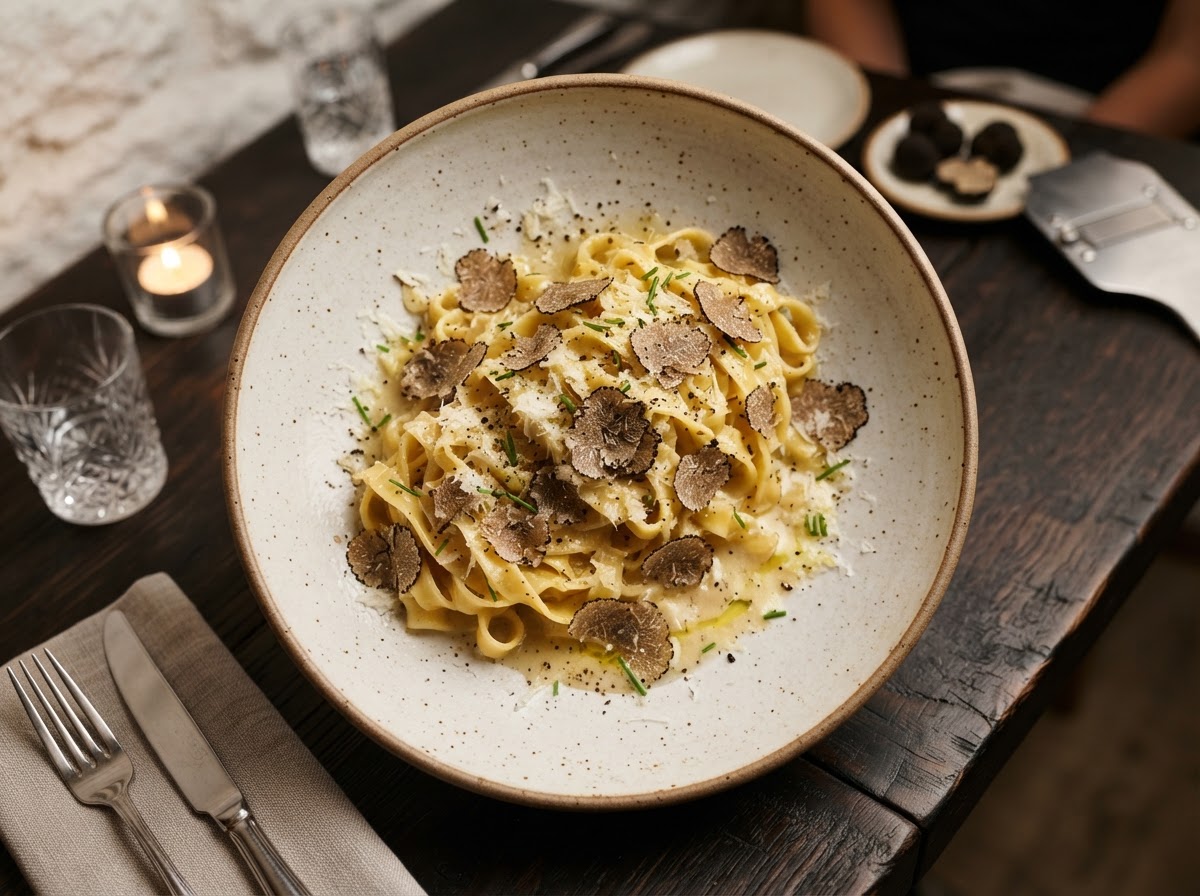
Seasonal Meal Prep: Eating Fresh All Year Round
September 8, 2026
The best meal prep follows the seasons. Here is how to rotate your batch cooking and meal planning around what is actually fresh, flavorful, and affordable right now.
There is a reason a tomato in January disappoints and a tomato in August is a revelation. Produce picked at its peak simply tastes like more — more sweetness, more acidity, more of whatever made it worth eating in the first place. Seasonal meal prep is the practice of building your weekly menus around what is actually ripe right now, rather than forcing the same plan year-round with ingredients shipped from the other side of the planet. The reward is fresher, more flavorful food that also happens to cost less. This guide follows the calendar and shows how to adapt your meal prep to each season, so that eating well in November does not mean pretending it is still July.
Why Seasonal Beats Year-Round
Out-of-season produce is a triple loss: it is less flavorful because it was bred for travel rather than taste, less nutritious because it spent days in transit, and more expensive because it had to be shipped from a place where it was in season. Seasonal produce flips all three — better flavor, higher nutrient density, and lower cost. When you build a meal-prep plan around what is abundant and local, the food improves and the budget shrinks at the same time.
Seasonality also brings natural variety to the year. Instead of eating the same rotation every week, the menu shifts with the harvest, which is the single best defense against meal-prep fatigue. The change of the calendar does the work of keeping things interesting.
Spring: Light, Green, and Bright
Spring is the moment for tender, green, and bright. Asparagus, peas, spring onions, and the first herbs come into their own, and the cooking shifts toward lighter preparations — quick sautes, bright vinaigrettes, and simple preparations that let the fresh flavor shine. Batch a pea-and-herb soup, a lemon-and-asparagus pasta, or a frittata loaded with spring greens. The body, emerging from winter's heavier meals, naturally craves this lighter fare.
- Asparagus, spring peas, and ramps for quick-cooked sides.
- Fresh herbs — mint, chervil, tarragon — in bright sauces.
- Light grain salads with lemon vinaigrettes.
- Egg-based dishes like frittatas that showcase tender greens.
Summer: Raw, Charred, and Abundant
Summer is the season of abundance — tomatoes, corn, zucchini, stone fruit, berries, and every kind of pepper. This is the season to lean into both raw and charred preparations: raw tomato salads with good oil, blistered peppers, grilled corn and eggplant. The produce is so good that the cooking should mostly get out of the way. Batch cold soups like gazpacho, char a tray of vegetables for the week, and lean on no-cook assemblies that take advantage of ingredients that need no help at all.
Autumn: Roasted, Rooted, and Warming
As the air cools, the kitchen warms. Autumn is the season of roasting — squash, sweet potatoes, Brussels sprouts, carrots, and the heartier brassicas all take to high heat and deepen in sweetness. This is prime batch-cooking territory: a sheet pan of roasted roots, a pot of squash soup, a braise with apples and cider. The freezer earns its keep in autumn, storing the last of the summer bounty and the first of the slow-cooked foundations that will carry you into winter.
Autumn is also when a meal-prep plan should lean into the comfort that the season calls for — braises, stews, and grain bowls with roasted vegetables and a generous hand with the fat and the warmth of spice.
Winter: Slow, Sustaining, and Deep
Winter meal prep is the season of the slow cooker and the braise. With less fresh produce available, the plan leans on sturdy roots, hardy greens, dried legumes, and preserved items. This is the time to fill the freezer with braises, stocks, and sauces — the foundations that make a quick winter dinner feel like a restaurant meal. A pot of beans, a braise over polenta, a rich vegetable soup with good bread: these are the meals that make winter feel generous rather than sparse.
Cook the calendar, not the recipe — let the season decide what is for dinner.
Build a Year-Round Pantry to Support the Seasons
A seasonal kitchen is supported by a year-round pantry: good oils, vinegars, dried grains, dried legumes, spices, and preserved items like tomatoes, olives, and pickles. With a stocked pantry, the fresh seasonal element becomes the variable and the pantry provides the foundation, so that a meal comes together quickly no matter what is in season. The pantry is what makes seasonal cooking actually practical week to week.
Shop the Farmers' Market First
The simplest way to cook seasonally is to shop at the farmers' market and let what is there dictate the plan. When you build a meal-prep menu from what you found at the market rather than deciding the menu before you shop, the food is fresher and the cooking is easier, because you are working with produce at its peak rather than against it. Even a single market trip a week reshapes the quality of the week's meals.
A Seasonal Service, When the Calendar Is Full
Cooking seasonally is deeply rewarding and also time-intensive — and not every schedule allows for the market trips and the seasonal menu planning it requires. Nani Cuisine designs weekly menus that follow the seasons, sourcing at peak and building each week's meals around what is freshest. Reach out for a consultation and we will build a seasonal plan tailored to your preferences and the time of year.
Seasonal meal prep is the difference between eating the same meals in December and July and letting the year shape the table. Follow the harvest, stock the pantry, and the food takes care of itself — fresher, more flavorful, and more affordable, all year round.
Ready to hand the cooking to a private chef?
We design weekly meal prep and private chef experiences around your preferences, dietary needs, and schedule — so your week runs on food you actually look forward to.
Keep Reading
Hiring a Private Chef for Weekly Meal Prep: Is It Worth It?
A private chef for weekly meals sounds like a luxury. For many busy households, it is the most practical decision in the budget. Here is how to tell.
Balanced Meal Prep: Nourishing Plates for the Whole Week
Nourishing does not have to mean boring. Here is how to build balanced meal-prep plates that are satisfying, colorful, and good for five days running.

Batch Cooking Fundamentals: Stock Your Freezer Like a Private Chef
A well-stocked freezer is the closest thing a home kitchen has to a sous chef. Here is how to build one that actually serves you all week.