
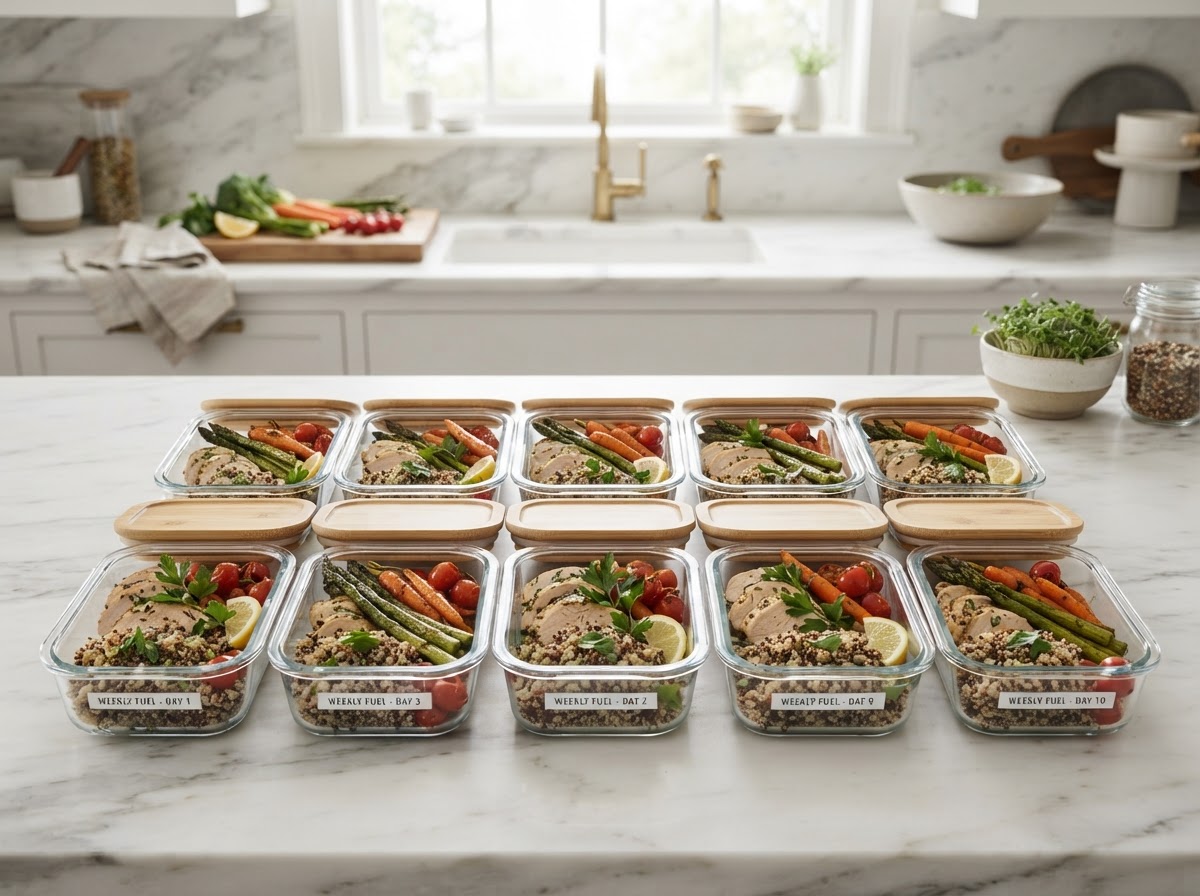
The Complete Guide to Meal Prepping for Busy Professionals
August 4, 2026
Long days should not mean dinner from a vending machine. Here is how to reclaim your evenings with a meal-prep routine that actually tastes like something worth eating.
If your week disappears into meetings, commutes, and back-to-back commitments, dinner often becomes an afterthought. The trouble is that an afterthought dinner is usually a compromise — something quick, something processed, something forgettable. Meal prepping, done thoughtfully, is the antidote. It is not about eating the same bland container of chicken and rice for five days straight. It is about designing a week of food that is genuinely good, so that the moment you walk through the door at the end of a long day, dinner is already handled. This guide walks through how to build that system from scratch, with flavor and quality at the center.
Why Most Meal-Prep Plans Fail
Most meal-prep plans collapse for the same handful of reasons. People try to cook everything on Sunday and burn out by the third weekend. They choose recipes that do not reheat well, so Thursday's lunch is a sad, rubbery version of Sunday's joy. They overcommit to variety — five dinners, five lunches, three snacks, a breakfast — and end up with a kitchen that looks like a restaurant line and a mood that looks like a crisis. The fix is to plan for the way you actually live, not the way an Instagram reel suggests you could live.
A realistic plan accounts for the fact that you will eat out once or twice, that you will be tired on Wednesday, and that leftovers are a feature, not a failure. The goal is not perfection. The goal is to make the default easy, good, and reasonably healthy, so that on the hard days you do not have to think.
Step One: Audit Your Week Before You Plan
Before you write a single recipe down, look at your actual calendar. How many dinners are you genuinely home for this week? How many lunches will you pack? Will you be at your desk, or running between locations? The number of meals you need to prep is almost always smaller than you think once you subtract the dinners out, the networking lunches, and the night you will absolutely order in because the day ran long.
- Count the real number of dinners and lunches you need, not the theoretical maximum.
- Note any evening commitments that shorten your cooking window.
- Flag one flexible 'use-it-up' meal for odds and ends at the end of the week.
- Pick a realistic prep window — most people do two shorter sessions, not one marathon Sunday.
Step Two: Build a Reusable Formula
The most sustainable meal-prep plans are built on a formula, not a fixed menu. Think in components: a protein, a starch, a vegetable, and a sauce or dressing that ties it together. Rotate the components and you get variety without reinventing the wheel every week. One week you might roast a tray of salmon, batch a pot of farro, and char a sheet pan of broccoli with a bright herb sauce. The next week it is braised chicken, jasmine rice, and roasted squash with a chili-lime drizzle.
This component approach is exactly how professional kitchens stay sane. A restaurant does not start from scratch for every plate; it builds a mise en place of well-prepared elements and assembles them to order. You can borrow that logic for your home kitchen and dramatically cut the time you spend standing over the stove.
Step Three: Shop With Intention
Once you know your components, shop for them deliberately. Buy proteins you can cook once and use twice — a roast that becomes dinner tonight and a salad topping tomorrow. Choose vegetables that hold up to storage; leafy herbs wilt fast, but roasted roots and sturdy greens like kale survive the week beautifully. The fastest path to a wasted grocery budget is buying for the meal you wished you had time to cook instead of the one you will actually make.
Plan the menu for the life you have, not the life you imagine on a Sunday morning.
Step Four: Batch Cook in Two Sessions
Rather than a single grueling Sunday cookathon, split prep into two windows — a Sunday afternoon and a midweek evening. The first session handles the heavy components: roasted proteins, a batch of grains, a cooked vegetable, and a sauce. The second session refreshes the vegetables and adds something fresh, so that by Thursday you are not eating something that tastes like it was made a week ago.
Use your oven and stove simultaneously. While a tray of chicken roasts, a pot of grains simmers and a pan of vegetables chars. Three things done in the time it takes to cook one is the entire point of batch cooking, and it is how trained cooks move efficiently at home.
Step Five: Store It So It Stays Good
Storage is where good meal prep goes to die. Hot food sealed into a container and shoved into the fridge creates condensation, which creates soggy food and a shortened shelf life. Let components cool before sealing, store sauces separately so they do not drown the dish, and keep delicate greens away from warm ingredients. Label containers with the date so nothing mysterious lurks in the back of the refrigerator.
- Cool cooked food before sealing to avoid condensation.
- Store dressings and sauces separately until you eat.
- Keep sturdy vegetables (roots, brassicas) for later in the week; eat delicate ones first.
- Freeze anything you will not eat within four days.
Step Six: Reheat Like You Mean It
A meal-prepped dinner only feels like a treat if it reheats well. The microwave is fine for some things, but a quick run under the broiler or a warm-up in a dry skillet will rescue roasted vegetables and proteins that the microwave would turn flabby. Add a squeeze of fresh citrus or a scatter of fresh herbs right before eating — that ten-second finishing touch is the difference between a meal that feels alive and one that feels like leftovers.
When to Hand It Off to a Professional
There is a threshold where even the best home system stops making sense. If you are a senior executive, a new parent, or simply someone whose evenings are better spent on anything other than cooking, a private chef or weekly meal service can take the entire question off your plate. At Nani Cuisine, we build weekly meal prep around your dietary preferences, schedule, and the kinds of food you actually look forward to — delivered and stored so that your week runs on its own. Book a consultation and we will design a routine that fits the way you really live.
Meal prepping for busy professionals is not about restriction or eating joyless food from a plastic tub. It is about setting yourself up so that the food you eat is as good as the life you are working hard to build. Start small, build the habit, and let the system do the heavy lifting.
Ready to hand the cooking to a private chef?
We design weekly meal prep and private chef experiences around your preferences, dietary needs, and schedule — so your week runs on food you actually look forward to.
Keep Reading
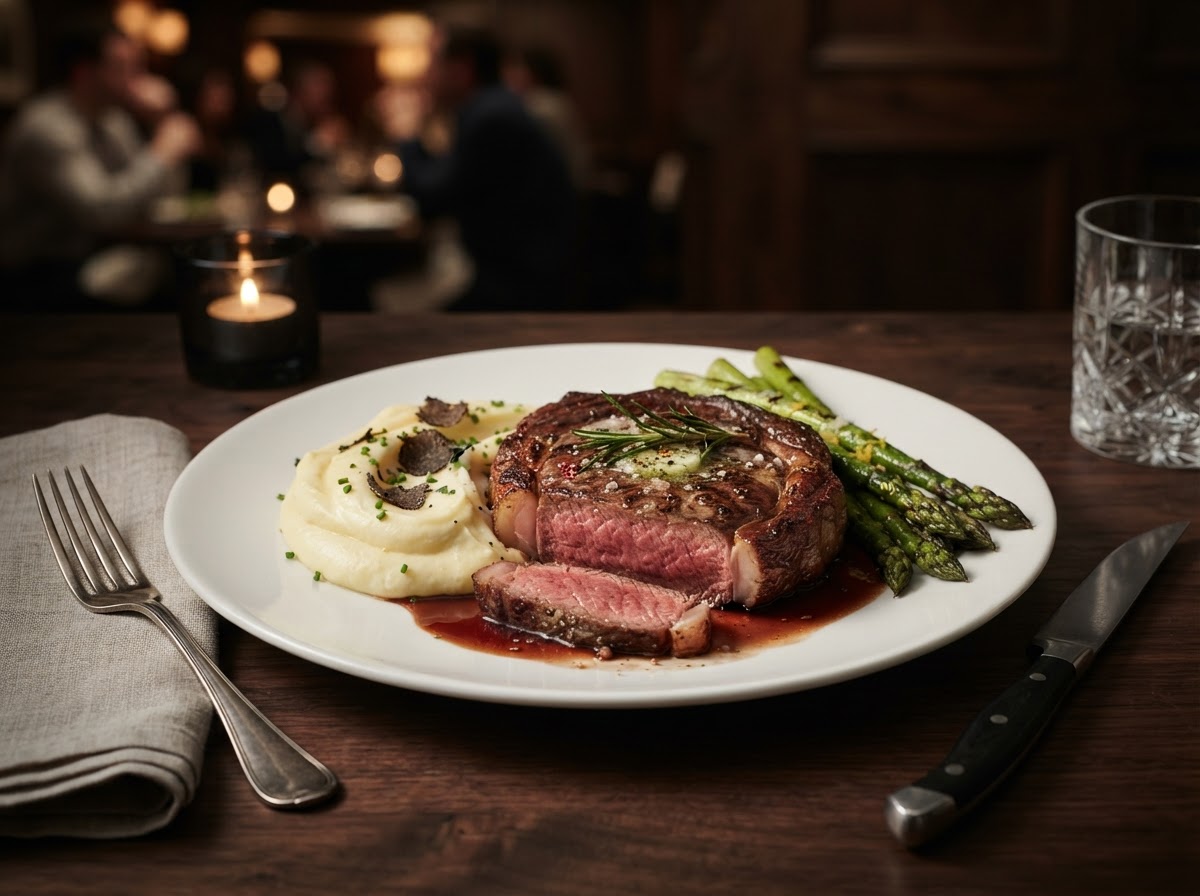
Hiring a Private Chef for Weekly Meal Prep: Is It Worth It?
A private chef for weekly meals sounds like a luxury. For many busy households, it is the most practical decision in the budget. Here is how to tell.
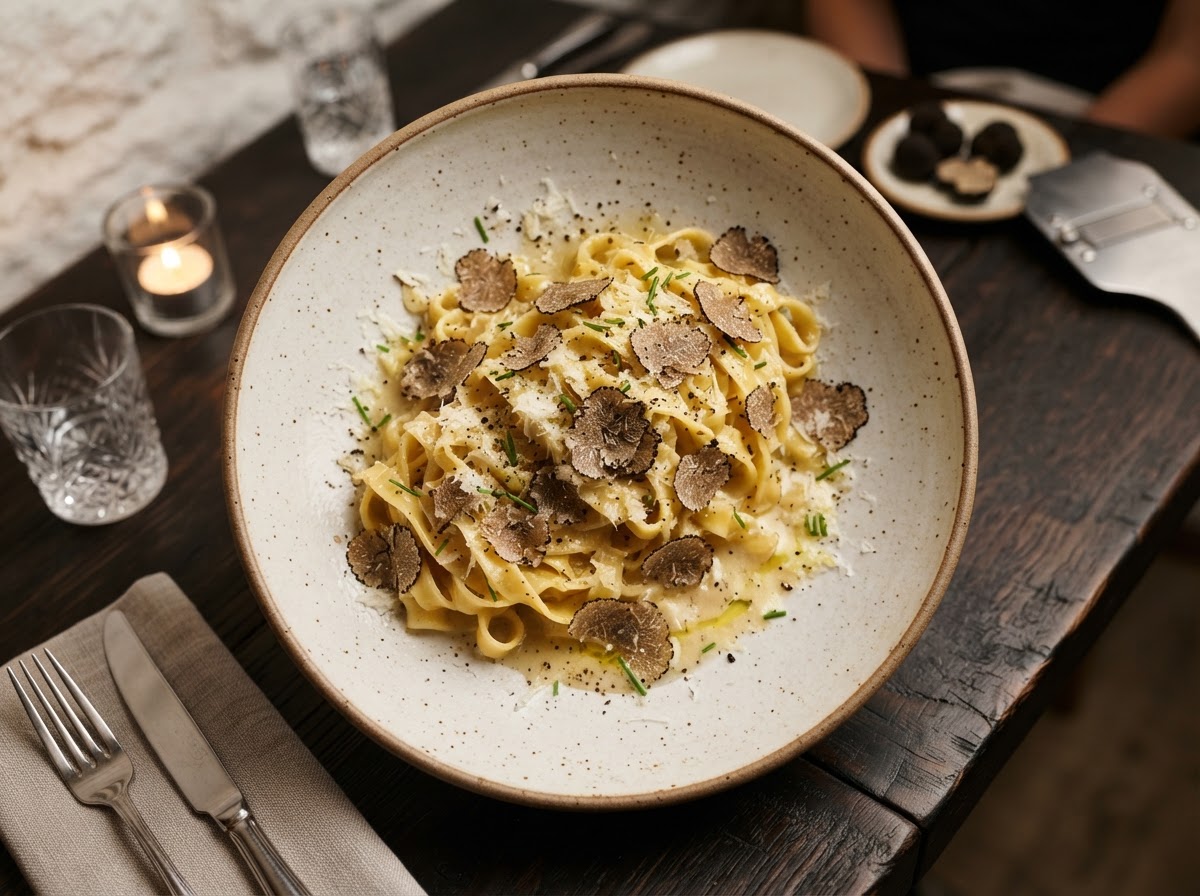
Seasonal Meal Prep: Eating Fresh All Year Round
The best meal prep follows the seasons. Here is how to rotate your batch cooking and meal planning around what is actually fresh, flavorful, and affordable right now.

Balanced Meal Prep: Nourishing Plates for the Whole Week
Nourishing does not have to mean boring. Here is how to build balanced meal-prep plates that are satisfying, colorful, and good for five days running.