How Corporate Catering Elevates Your Next Business Meeting
August 18, 2026
The food at your meeting is not an afterthought — it is a signal. Done well, corporate catering sharpens attention, lifts morale, and quietly strengthens every relationship in the room.
When a meeting runs long, the food in the room stops being a detail and starts being a decision. A tray of tired sandwiches at hour three tells your team and your clients something — and it is not the message you intended. Corporate catering, done with intention, does the opposite. It tells the room that their time is valued, that the work matters, and that someone has thought about the experience from the first slide to the last handshake.
At Nani Cuisine, I have spent years catering boardrooms, strategy offsites, and client presentations across Los Angeles, and the pattern is consistent: the meetings people remember are the ones where the logistics disappeared and the food simply arrived, beautifully, at exactly the right moment. This guide is about how to make that happen for your next business meeting.
Why Catering Quietly Shapes Meeting Outcomes
Food affects cognition in measurable ways. Heavy, greasy, sugar-loaded platters produce the familiar post-lunch slump — heads nodding, attention drifting, decisions deferred. Lighter, protein-forward, produce-rich menus sustain focus and keep energy even across a long session. The catering choice is, in effect, a productivity choice.
There is a relational layer too. Clients notice when a host has ordered thoughtfully. A vegetarian option that is not an afterthought, a gluten-conscious plate that looks as beautiful as the others, a coffee service that arrives warm — these are small acts of respect that compound. People do business with people who make them feel considered.
Match the Menu to the Meeting Type
Not every meeting wants the same food. A breakfast strategy session calls for something different than a midday client presentation or an evening executive dinner. The first question I ask a client is not what they want to eat — it is what the meeting is trying to achieve.
- Morning strategy sessions: protein-forward breakfasts, fresh fruit, good coffee, minimal sugar to avoid the 10 a.m. crash.
- Working lunches: individual, easy-to-eat portions that do not require a knife or a second hand — grain bowls, composed salads, handheld proteins.
- Client presentations: a slightly elevated spread that signals care without distracting from the agenda.
- End-of-day debriefs: shareable, comforting plates that invite people to linger and talk.
Service Style Matters as Much as the Food
A buffet in a room of fifteen executives creates a queue, and a queue creates a pause that was not on the agenda. For smaller, high-stakes meetings, individually plated or pre-portioned service keeps the rhythm of the room intact. For larger all-hands gatherings, a well-organized buffet or station setup is more practical and keeps things moving.
Timing is the other half of service. Food that arrives ten minutes early gets cold; food that arrives ten minutes late interrupts the flow. A good caterer works backward from your agenda, not forward from their kitchen. That is the difference between delivery and service.
Plan for Dietary Needs Without Making Them Awkward
Every modern meeting has at least one dietary consideration — vegetarian, vegan, gluten-conscious, nut allergy, kosher, halal. The goal is to accommodate these without singling anyone out. When every plate looks intentional and beautiful, no one feels like the afterthought.
I recommend gathering dietary needs with the RSVP rather than discovering them at the door. A short form — name, role, dietary notes — takes a guest thirty seconds and saves a caterer hours of guesswork. It also lets you brief the team in advance so service is seamless.
Presentation Reinforces Your Brand
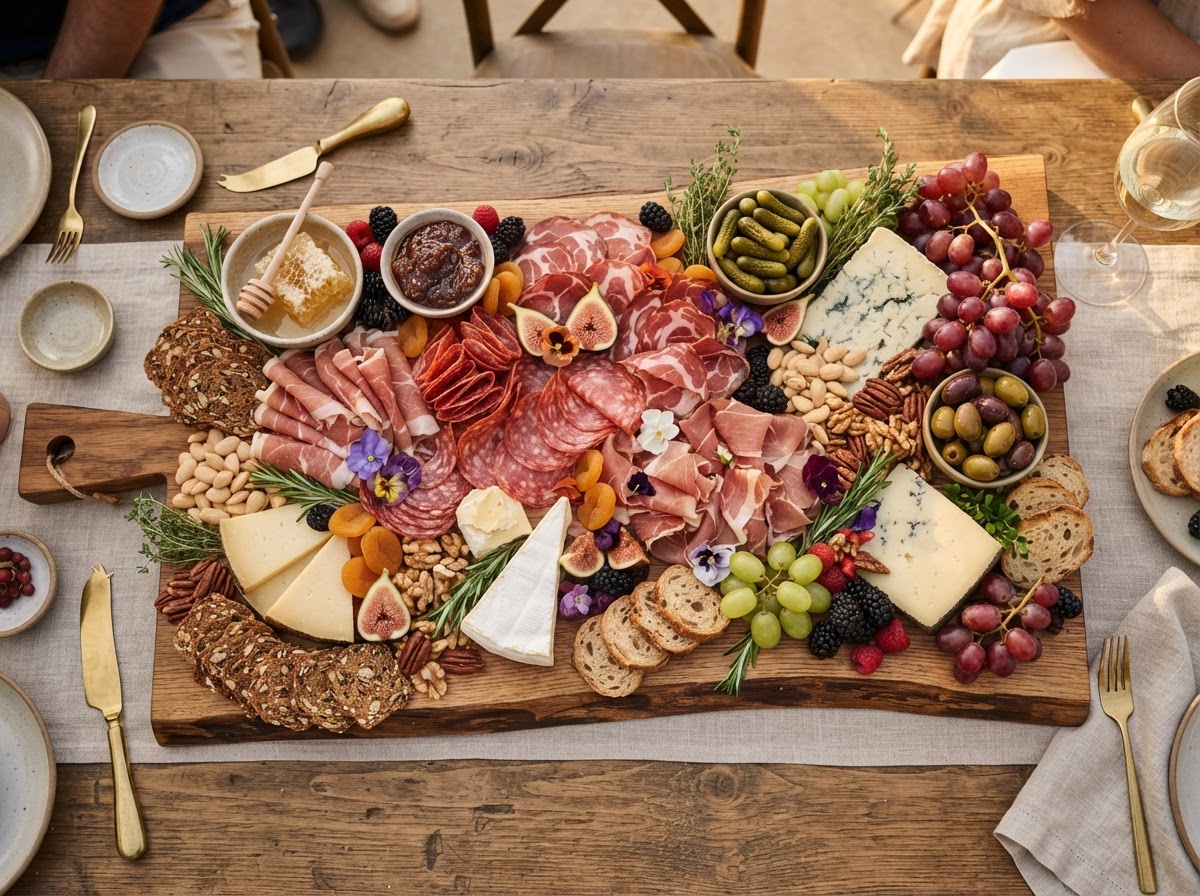
If the meeting is with a client, the catering is an extension of your brand whether you intend it to be or not. Chafing dishes and disposable platters say one thing; curated, garnished, well-labeled service says another. You do not need a lavish budget to look intentional — you need a caterer who treats presentation as part of the deliverable.
Small touches carry weight: labels on each dish, garnish that matches the season, a napkin and utensil setup that feels considered. These cost almost nothing and change the entire read of the room.
Build a Repeatable Meeting Catering Plan
If your team meets regularly, the most efficient path is a standing catering relationship rather than a fresh order each time. A good caterer will keep your preferences, dietary roster, and service notes on file so that reordering is a one-line email. This is how recurring meetings stop being a logistical burden.
I keep client profiles that include preferred spice levels, recurring dietary needs, favorite dishes, and the quirks of each venue — which conference room has no oven, which floor has a slow elevator. The goal is that the fifth meeting feels as effortless as the first.
A Practical Checklist Before You Order
- Confirm headcount 48 hours out, and again 24 hours out.
- Collect dietary needs with the RSVP.
- Share the meeting agenda so service timing can be planned around it.
- Confirm venue details: kitchen access, elevator, parking for the catering team.
- Decide service style based on room size and meeting format.
- Request labels and a brief ingredient list for transparency.
The Bottom Line
Corporate catering is not a line item — it is a quiet lever on focus, morale, and relationships. When the food is thoughtful, the timing is precise, and the service is invisible, the meeting simply works better. The people in the room may not be able to name why, but they will feel it.
If your next meeting matters, let the catering reflect that. At Nani Cuisine, we plan corporate catering around your agenda, your guests, and your venue — so the only thing you have to think about is the business in front of you. Request a catering quote and we will build the menu to match the meeting.
Ready to hand the cooking to a private chef?
We design weekly meal prep and private chef experiences around your preferences, dietary needs, and schedule — so your week runs on food you actually look forward to.
Keep Reading
Hiring a Private Chef for Weekly Meal Prep: Is It Worth It?
A private chef for weekly meals sounds like a luxury. For many busy households, it is the most practical decision in the budget. Here is how to tell.
Seasonal Meal Prep: Eating Fresh All Year Round
The best meal prep follows the seasons. Here is how to rotate your batch cooking and meal planning around what is actually fresh, flavorful, and affordable right now.
Balanced Meal Prep: Nourishing Plates for the Whole Week
Nourishing does not have to mean boring. Here is how to build balanced meal-prep plates that are satisfying, colorful, and good for five days running.