A great menu is a balance of contrasts and considerations. Here is the framework I use to build catering menus that work for every guest and every budget.
Building a catering menu is an act of balance. Flavor against cost, season against preference, indulgence against the energy the event still demands, variety against coherence. There is no single perfect menu — but there is a framework that produces a menu perfect for a specific event. This is the framework I use for every Nani Cuisine occasion.
Start With the Event, Not the Dishes
Before choosing a single dish, define the event's parameters: the occasion, the guest count, the service style, the budget, the venue, and the dietary needs. These constraints are not limitations — they are the design brief. A menu built without reference to them is a list of dishes; a menu built from them is an experience. Start there.
Anchor the Menu in the Season
Seasonality is the single highest-leverage decision in menu building. Food at its seasonal peak tastes better, costs less, and feels appropriate to the time of year. A spring menu of asparagus, peas, and lamb feels right in a way that the same dishes in November cannot. Let the calendar guide the core ingredients, and the menu gains an effortless coherence.
Build a Coherent Arc
A menu is not a collection — it is a sequence. Each course should set up the next: a light, bright starter; a main with substance and depth; a dessert that resolves the meal. Avoid repeating ingredients or flavors across courses, and vary the textures and weights so the meal builds rather than flattens. The arc is what makes a menu feel designed rather than assembled.
- Starter: light, bright, awakening — sets the tone.
- Main: the anchor — substance, depth, the dish people remember.
- Sides: complementary, not competing — texture and color.
- Dessert: resolution — sweet but not heavy, a satisfying close.
Balance Familiar and Adventurous
A menu of only familiar dishes feels safe but forgettable; a menu of only adventurous dishes alienates part of the room. The best menus balance the two — a beloved classic that reassures, alongside a more distinctive dish that surprises. Most guests want one foot in comfort and one in discovery. Design for both.
Design Every Diet as a First-Class Option
Dietary accommodation is not a side task — it is part of the menu. A vegetarian main should be as considered and beautiful as the centerpiece protein, not a plate of sides repurposed. Build the dietary options into the menu from the start, and no guest feels like an afterthought. This is both hospitality and good design.
Match Portions to the Event's Energy
Portion sizing should reflect what guests will do after the meal. A lunch before an afternoon of work wants lighter portions that sustain focus. A celebration dinner can be more generous. Over-portioning is a common catering error — it wastes food, raises cost, and leaves guests heavier than the occasion wants. Right-size to the event's energy.
Let the Budget Shape, Not Limit, Creativity
A defined budget is a creative asset, not a constraint. It forces choices: which courses to invest in, where to use a premium ingredient, where a simpler preparation suffices. A skilled caterer can build an extraordinary menu at many price points by allocating the budget where it matters most — a standout main, a memorable dessert — and exercising restraint elsewhere. Share the budget and let it guide the design.
Consider the Venue's Realities
The menu must be executable in the venue. A dish that requires last-minute searing cannot happen in a venue with no kitchen. A delicate, temperature-sensitive dessert cannot survive a long transport. Build the menu around what the venue allows — or choose dishes that travel and hold beautifully. A menu that cannot be executed is a wish, not a plan.
Plan for Presentation
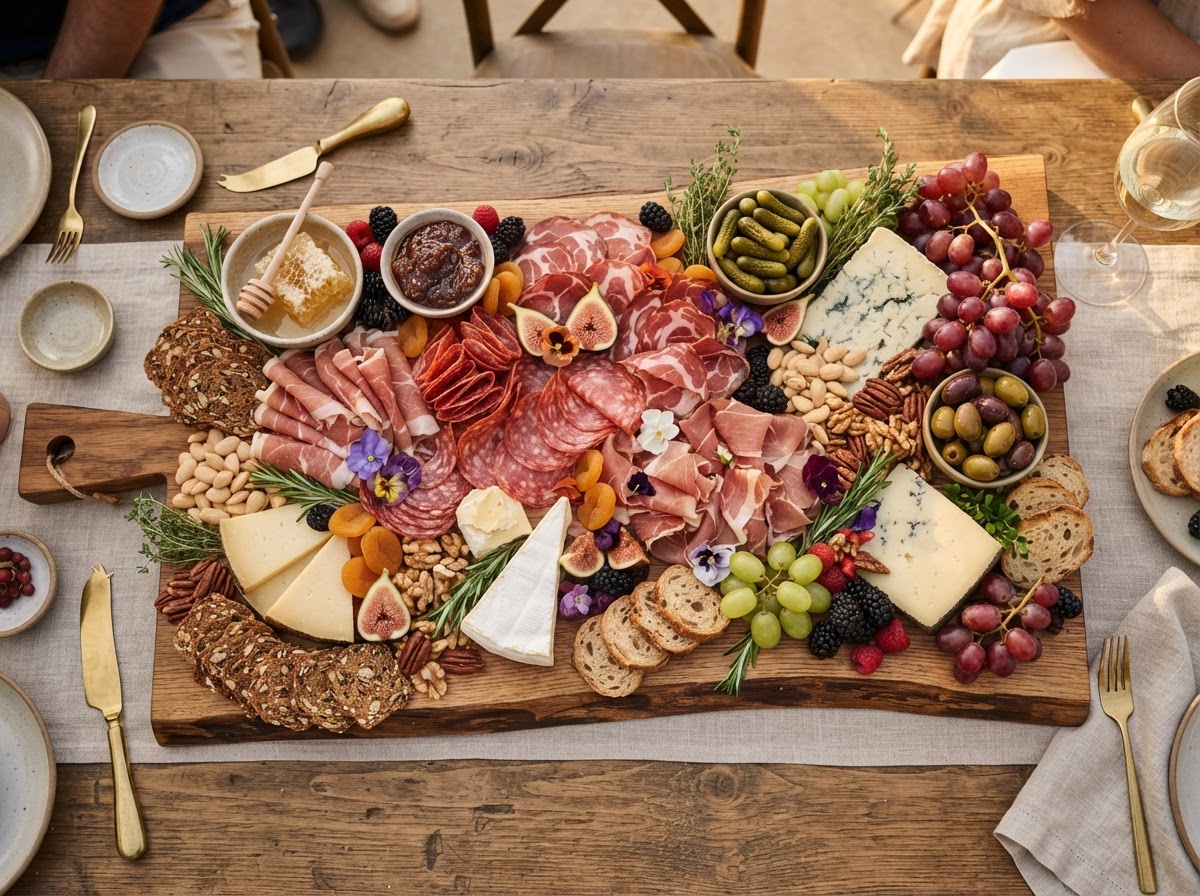
We eat with our eyes first, and the menu should be designed with its visual outcome in mind. Vary colors across courses so the meal looks as considered as it tastes. Plan garnishes that add freshness and height. Whether plated or buffet, the presentation is part of the dish — design it intentionally, not as an afterthought.
Leave Room for a Signature Moment
Every great menu has a peak — the dish or moment guests remember and describe afterward. It might be a showpiece main, a live action finish, a dessert with a flourish. Build one signature moment into the menu deliberately. A single memorable element elevates the entire meal in retrospect.
The Menu-Building Checklist
- Define the event brief: occasion, count, style, budget, venue, diets.
- Anchor core ingredients in the season.
- Sequence courses into a coherent arc.
- Balance familiar and adventurous dishes.
- Design dietary options as first-class mains.
- Right-size portions to the event's energy.
- Allocate the budget where it matters most.
- Ensure every dish is executable in the venue.
- Plan color and presentation across courses.
- Build in one signature, memorable moment.
The Menu Is the Experience
Guests may forget the playlist and the decor, but they will remember the food. The menu is the most tangible expression of an event's care and intention. When it is built with this framework — anchored in the event, the season, and the guests — it does more than feed people. It defines the occasion.
If you are building a menu for an upcoming event, let's design it together. At Nani Cuisine, we build custom catering menus around your occasion, your guests, and your budget — with the balance that makes every course count. Request a catering quote and we will craft the menu around your vision.
Ready to hand the cooking to a private chef?
We design weekly meal prep and private chef experiences around your preferences, dietary needs, and schedule — so your week runs on food you actually look forward to.
Keep Reading
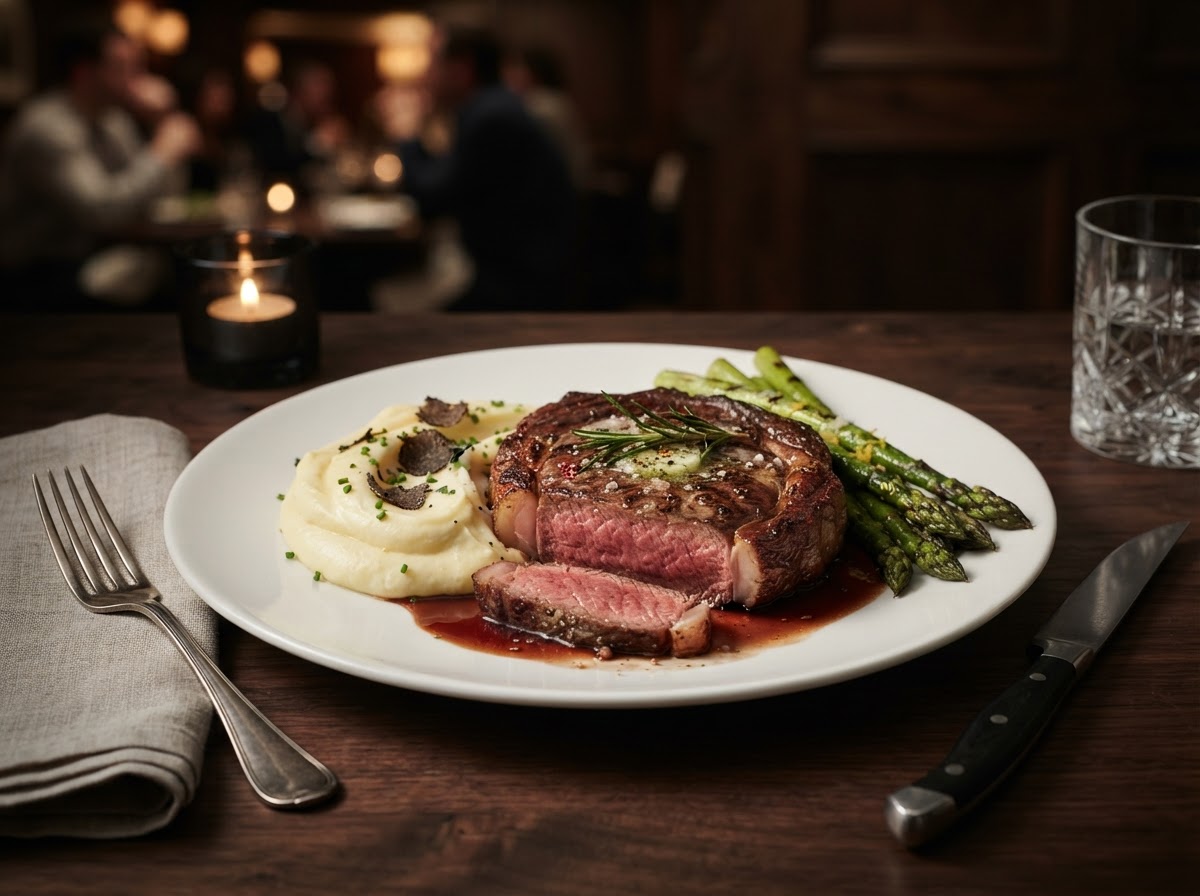
Hiring a Private Chef for Weekly Meal Prep: Is It Worth It?
A private chef for weekly meals sounds like a luxury. For many busy households, it is the most practical decision in the budget. Here is how to tell.
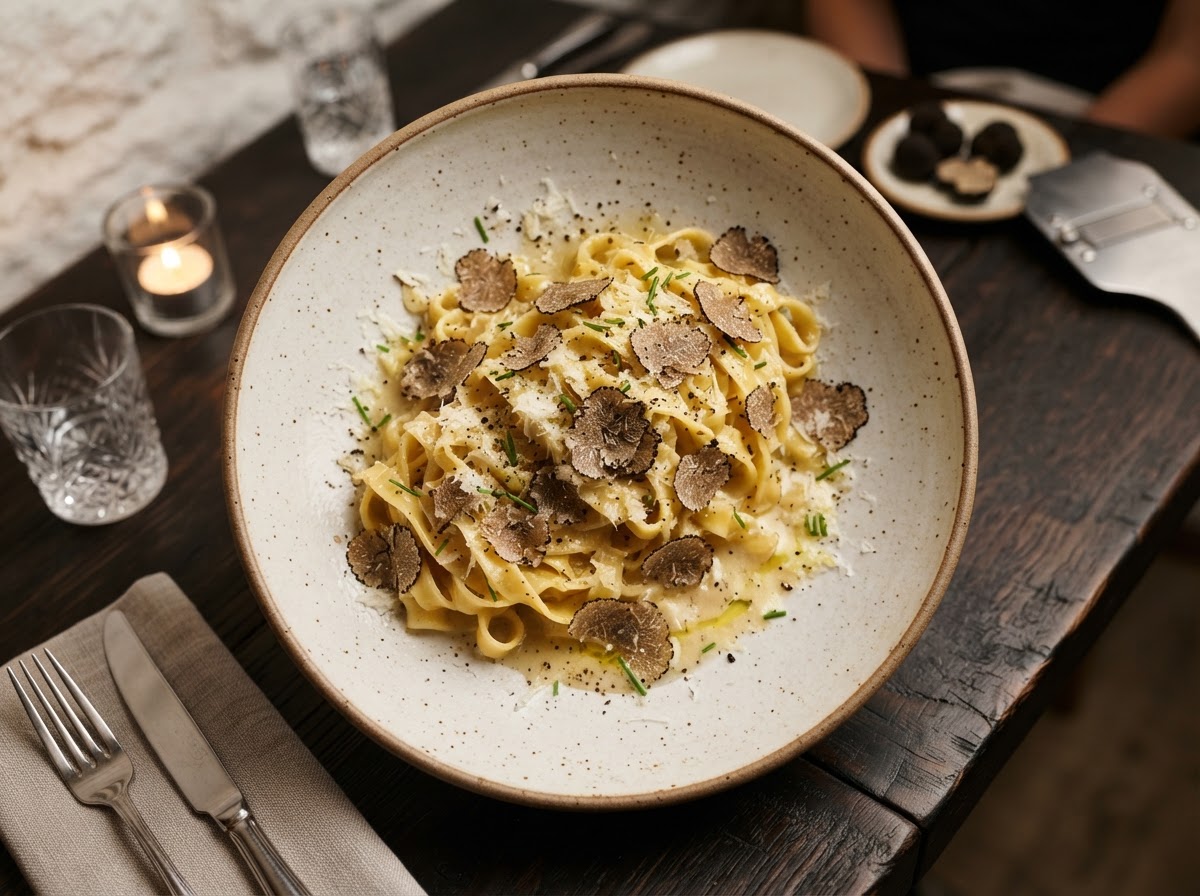
Seasonal Meal Prep: Eating Fresh All Year Round
The best meal prep follows the seasons. Here is how to rotate your batch cooking and meal planning around what is actually fresh, flavorful, and affordable right now.
Balanced Meal Prep: Nourishing Plates for the Whole Week
Nourishing does not have to mean boring. Here is how to build balanced meal-prep plates that are satisfying, colorful, and good for five days running.