

Meal planning should not feel like a second job. Here is a low-effort framework that keeps the week organized and the food you actually want to eat.
There is a particular kind of exhaustion that sets in around Thursday, when the question 'what is for dinner' feels less like a prompt and more like an accusation. The reason most people abandon meal planning is not that it is hard — it is that it is relentless. A plan that demands too much cognitive energy each week eventually collapses under its own weight. The fix is not more discipline. It is a simpler system that does most of the thinking for you, so that planning a week of meals takes twenty minutes instead of two hours.
Why Weekly Meal Planning Causes Burnout
Burnout in meal planning usually traces back to three causes: too much novelty, too much decision-making, and no built-in recovery. If every week demands a new set of recipes, new grocery lists, and new techniques, planning never becomes automatic. If every night requires a fresh decision because the plan was not really a plan, the mental load never lightens. And if a single off night derails the whole week, the plan is too fragile to survive real life.
A durable plan removes decisions, leans on repetition, and expects that something will go sideways. It is designed for the life you actually have, including the nights you do not feel like cooking.
Build a Four-Week Rotation
The single most effective antidote to burnout is a rotation. Instead of inventing a new menu each week, design four weeks of meals and cycle through them. By the second cycle, the recipes are familiar, the grocery list writes itself, and the cooking moves quickly because you have done it before. Variety still exists — four weeks is plenty of range — but it is bounded and repeatable rather than infinite and exhausting.
Within each week, anchor a couple of nights to the same structure: a pasta night, a grain-bowl night, a sheet-pan night, a soup night. The structure is fixed; the fillings change. This lets your brain rest because the shape of the week is predictable even when the specifics vary.
The Twenty-Minute Planning Session
Plan your week in a single short sitting, not scattered across the week. Open the calendar, pull up the rotation, and assign meals to nights based on how busy each evening is. The goal is to leave the session with a written menu and a grocery list. Twenty minutes once a week is infinitely more sustainable than fifteen decisions scattered across seven evenings.
- Look at the calendar first — match the easiest meals to the busiest nights.
- Pull the week's meals straight from your rotation rather than researching anew.
- Write the grocery list from the menu in one pass.
- Identify one 'no-cook' night as a pressure valve for the week.
Embrace Strategic Repetition
Repetition is not the enemy of a good meal plan; it is the foundation of one. Eating the same breakfast every weekday is a gift to your future self. Cooking a double batch of a component and using it two nights in a row is efficient, not lazy. The fear of repetition comes from a culinary ideal of constant novelty that no restaurant and no household actually sustains. Lean into the parts of the week that can be set on autopilot so that your limited cooking energy goes where it matters.
A meal plan you repeat is a meal plan you will actually keep.
Protect a Pressure-Valve Night
Every week, build in one night that requires nothing of you. It might be leftovers, a simple meal assembled from prepared components, takeout, or dinner out. The pressure-valve night is what makes the rest of the plan survivable. Without it, one missed evening unravels the whole week. With it, a derailment is just a single moved meal, not a failure.
Shop Once, Top Up Once
Two grocery trips is the sweet spot for most households — one main shop to stock the week, and one midweek top-up for fresh produce and anything that slipped through. More than that and the shopping becomes its own chore; fewer and you will run short of fresh things by Thursday. Combine the top-up with another errand so it does not feel like a dedicated trip.
Keep a Running 'Next Week' List
When you think of something you want to cook next week — a recipe, an ingredient, a craving — jot it on a running list instead of trying to remember it during the planning session. By the time you sit down to plan, the list has done most of the creative work for you. This turns planning from a creative effort into a selection process, which is far less tiring.
When Planning Itself Becomes the Burnout
If reading this you feel the exhaustion before you have begun, that is a signal that the planning itself has become the burden — and that is exactly the problem a weekly meal service is built to solve. At Nani Cuisine, we handle the menu, the shopping, the preparation, and the portioning, so that your only job is to sit down and eat. Request a consultation and we will design a weekly menu around the food you love, delivered on a schedule that fits your life.
A week of meals should not be a source of dread. With a rotation, a short planning session, a pressure-valve night, and the willingness to repeat yourself, dinner becomes the easiest decision of the day.
Ready to hand the cooking to a private chef?
We design weekly meal prep and private chef experiences around your preferences, dietary needs, and schedule — so your week runs on food you actually look forward to.
Keep Reading
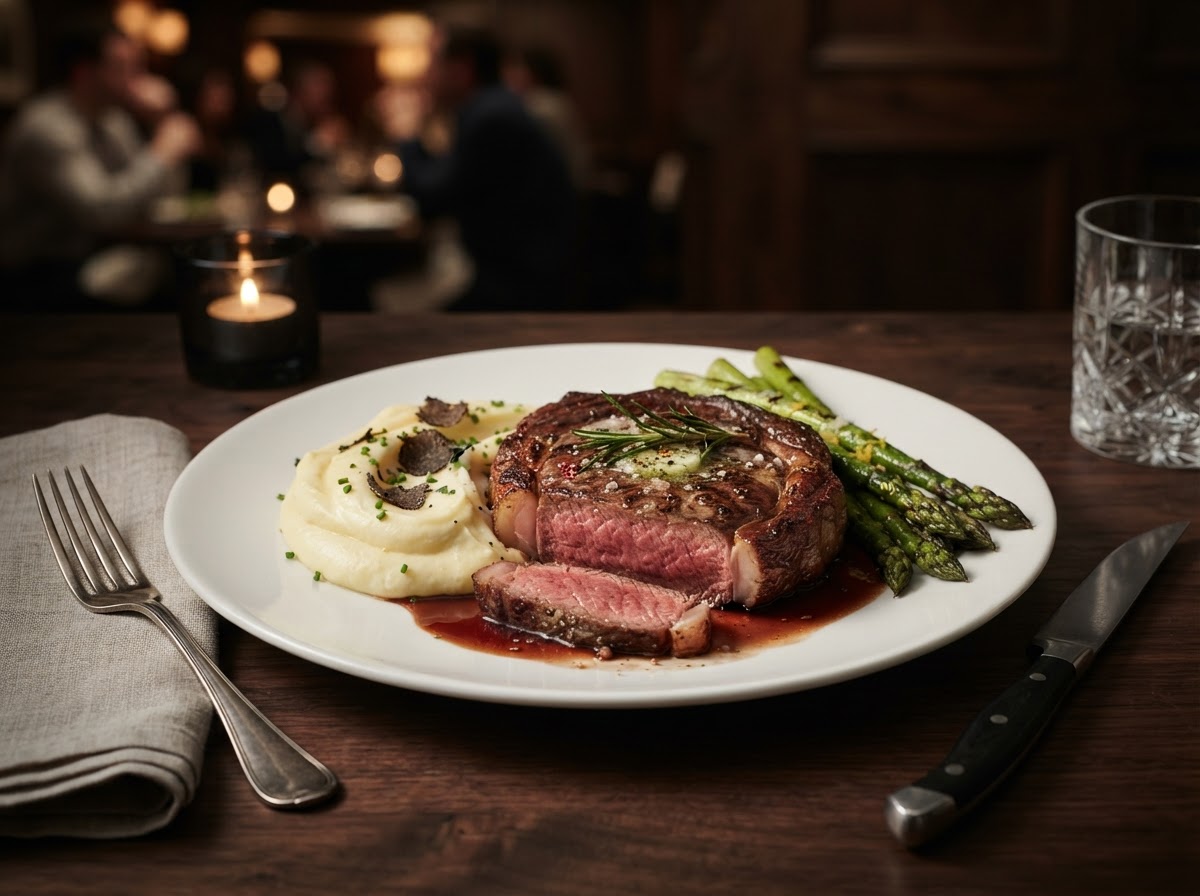
Hiring a Private Chef for Weekly Meal Prep: Is It Worth It?
A private chef for weekly meals sounds like a luxury. For many busy households, it is the most practical decision in the budget. Here is how to tell.
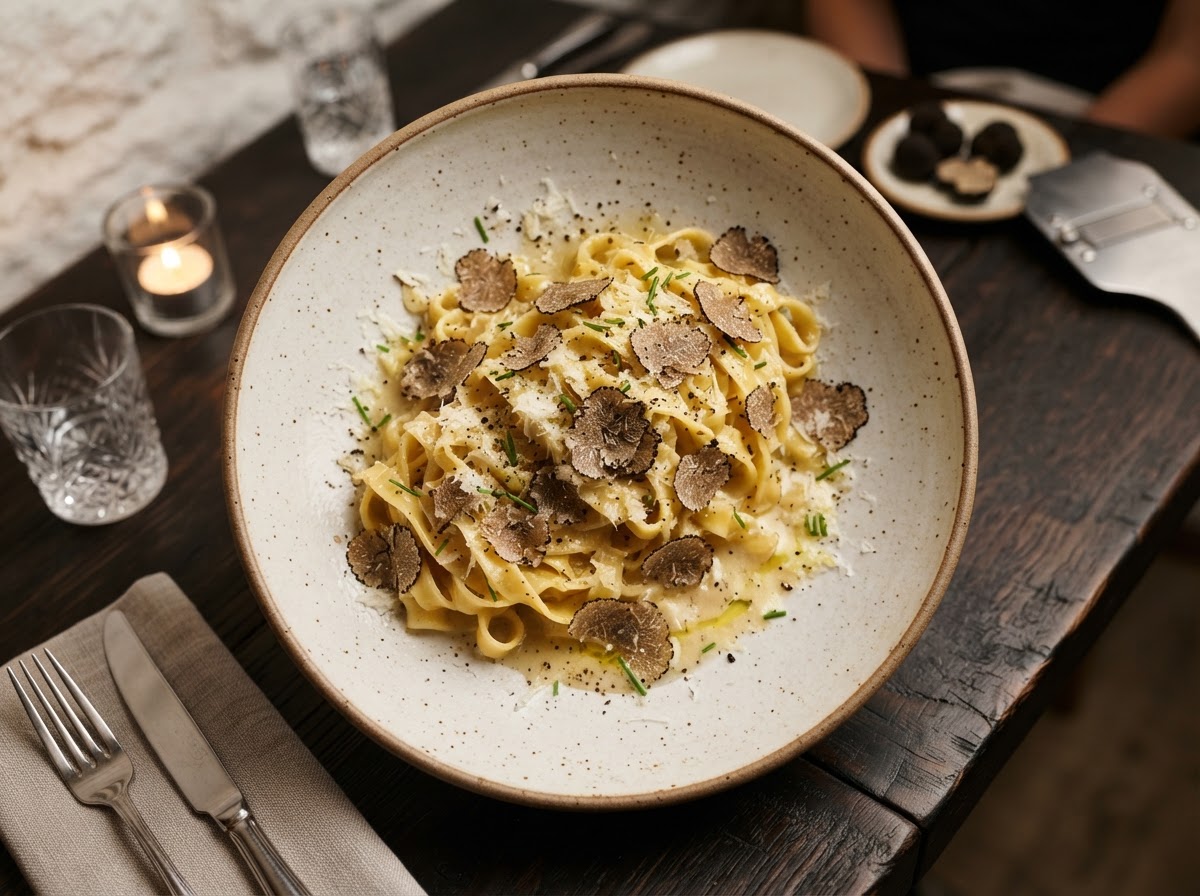
Seasonal Meal Prep: Eating Fresh All Year Round
The best meal prep follows the seasons. Here is how to rotate your batch cooking and meal planning around what is actually fresh, flavorful, and affordable right now.
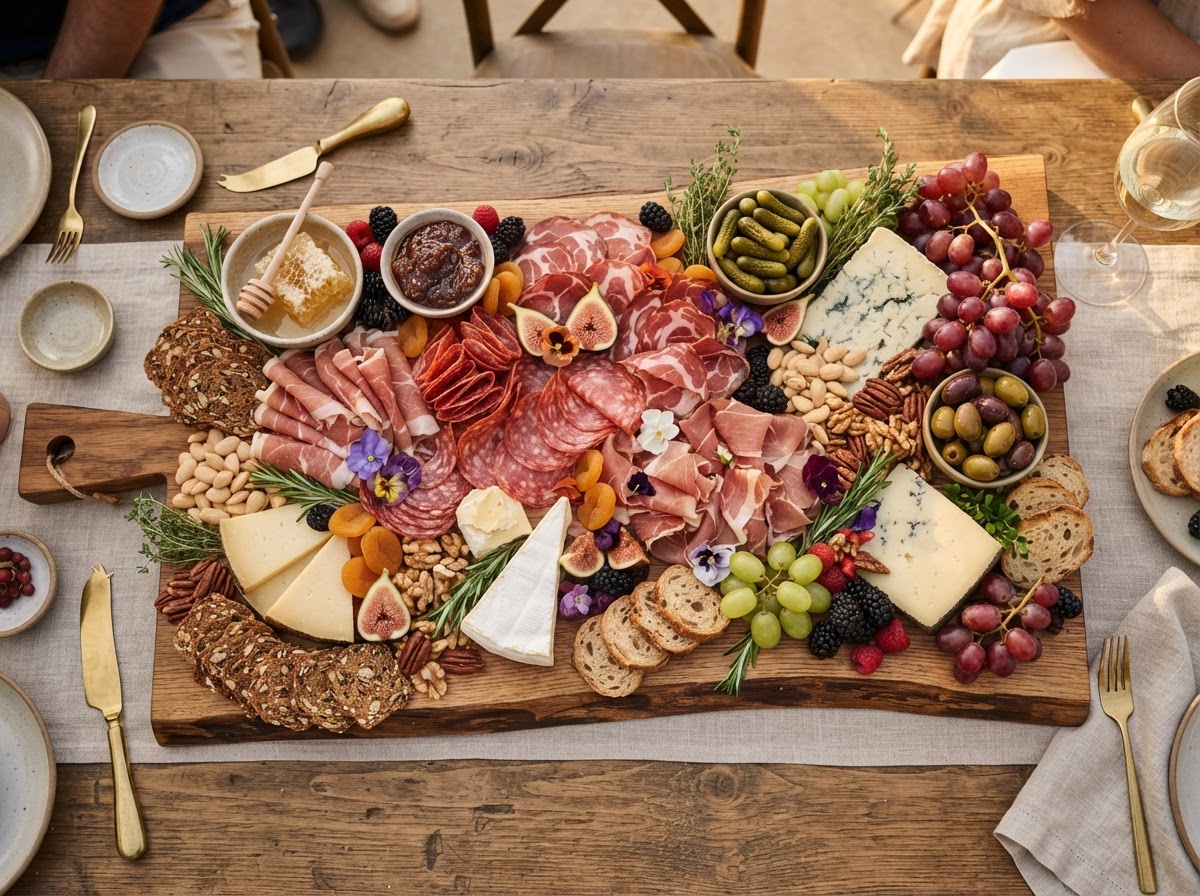
Balanced Meal Prep: Nourishing Plates for the Whole Week
Nourishing does not have to mean boring. Here is how to build balanced meal-prep plates that are satisfying, colorful, and good for five days running.