
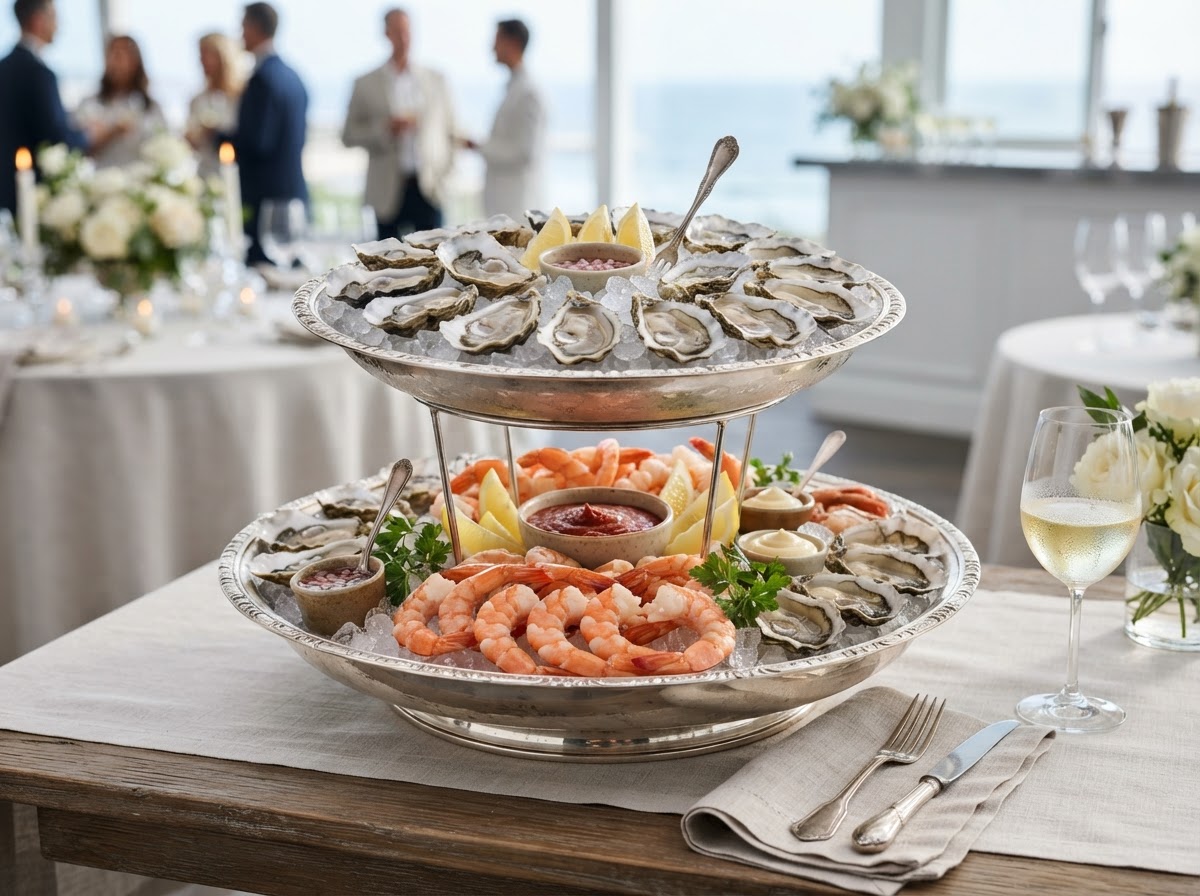
Outdoor catering has its own rules. Temperature, wind, bugs, and light all change the plan. Here is how to cater outside in any season.
Outdoor events have a magic that indoor venues cannot replicate — the open sky, the natural light, the sense of occasion that comes from being outside. But outdoor catering also has its own rules. Temperature, wind, insects, and shifting light all change what is possible. Catering outside is not indoor catering moved outdoors; it is a different discipline. Here is how to do it well in any season.
Design the Menu for the Elements
The first rule of outdoor catering is that the menu must respect the conditions. Delicate, temperature-sensitive dishes that wilt in heat or seize in cold are the wrong choice. Sturdy dishes that hold their quality across a range of temperatures — braised proteins, grain salads, roasted vegetables, sturdy desserts — are the foundation. Design for the worst case the weather might bring, not the best.
Plan for Temperature Control
Food safety is non-negotiable outdoors. Hot food must be held hot, cold food cold, and the gap between is where risk lives. Plan chafing dishes with adequate fuel, ice beds for cold items, and shade over the service area. A caterer experienced with outdoor events builds temperature control into the plan from the start rather than improvising on the day.
Summer Outdoor Events
Summer is the most popular outdoor season, and the most demanding for catering. Heat affects everything — food quality, guest comfort, beverage consumption. Lean into lighter, fresher food that suits the warmth. Prioritize shade over the food and beverage areas. Keep hydration easy and visible. And plan for the heat's effect on portions — guests eat less in extreme heat, so adjust quantities accordingly.
- Lighter, fresher menus that suit the warmth.
- Shade over all food and beverage service.
- Extra hydration — water stations throughout the event.
- Ice and refrigeration for all cold items.
Spring and Fall Outdoor Events
Spring and fall are the sweet spots for outdoor catering — mild temperatures, beautiful light, comfortable guests. But they carry variability: a warm afternoon can turn cool by evening. Plan for the temperature swing with food that works across a range, and consider a warm element — a hot beverage station, a comforting course — for when the air cools. These seasons reward flexibility.
Winter Outdoor Events
Winter outdoor events are rare but magical — a holiday gathering under heaters, a cold-weather celebration. The catering leans warm and comforting: hot beverages, hearty dishes, food that fights the cold. Heating for the food and the guests becomes the central logistics concern. Done well, a winter outdoor event is unforgettable; done poorly, it is miserable. Plan the warmth first.
Wind Is the Hidden Variable
Wind is the outdoor element most often underestimated. It blows napkins, topples lightweight serving vessels, cools hot food faster, and carries aromas and debris. Choose heavy, stable serving pieces. Weight down anything that can blow. Avoid lightweight disposables. Plan the service layout with wind direction in mind. A caterer who has worked outdoors knows that wind, not rain, is usually the real challenge.
Plan for Insects
In warm months, insects are part of the outdoor reality. Cover food with appropriate mesh, keep sweet items sealed until service, and consider the placement of service away from standing water or heavy vegetation. These are small measures that protect the guest experience. An experienced outdoor caterer builds insect management into the setup without making it visible.
Light Changes Everything
An outdoor event that begins in daylight and continues into evening needs a plan for the transition. Food that looked beautiful in natural light needs to look beautiful under event lighting too. Plan the lighting over the food and beverage areas so service remains clear and inviting after dark. The shift from day to night is one of the most beautiful parts of an outdoor event — make sure the catering transitions gracefully with it.
Have a Weather Contingency
Every outdoor event needs a weather contingency — a tent, an indoor backup, a plan for moving the catering if conditions turn. Hope is not a strategy. A caterer who works outdoors will help you build the contingency and will have the equipment to execute it. The contingency should be planned as carefully as the main event, because the day you need it is the day it matters most.
The Outdoor Standard
Outdoor catering succeeds when the elements are respected rather than fought. Menu designed for the conditions, temperature control built in, wind and insects managed, light planned for, and a contingency ready. When those are in place, an outdoor event delivers an experience no indoor venue can — and the catering holds up its part of the magic.
If you are planning an outdoor event, bring the caterer in early to walk the site and assess the conditions. At Nani Cuisine, we design outdoor catering around the season, the site, and the weather's realities — so the food holds up no matter what the sky brings. Request a catering quote and we will build the plan around your outdoor occasion.
Ready to hand the cooking to a private chef?
We design weekly meal prep and private chef experiences around your preferences, dietary needs, and schedule — so your week runs on food you actually look forward to.
Keep Reading
Hiring a Private Chef for Weekly Meal Prep: Is It Worth It?
A private chef for weekly meals sounds like a luxury. For many busy households, it is the most practical decision in the budget. Here is how to tell.
Seasonal Meal Prep: Eating Fresh All Year Round
The best meal prep follows the seasons. Here is how to rotate your batch cooking and meal planning around what is actually fresh, flavorful, and affordable right now.
Balanced Meal Prep: Nourishing Plates for the Whole Week
Nourishing does not have to mean boring. Here is how to build balanced meal-prep plates that are satisfying, colorful, and good for five days running.