
Each season offers its own ingredients, moods, and flavors. Here is how to design catering menus that feel right for the time of year you celebrate.
There is a reason a strawberry tastes like a memory in June and a disappointment in December. Season is the single most powerful tool in a caterer's kit — it shapes flavor, cost, and the entire emotional register of a meal. Designing catering menus around the season is not a trend; it is the foundation of food that feels right. Here is how each season informs the menu.
Spring: Awakening and Light
Spring menus should feel like the season — bright, green, awakening. This is the time for asparagus, peas, artichokes, spring onions, tender herbs, and young cheeses. Proteins lighten too: lamb, spring chicken, delicate fish. The register is fresh and optimistic, with dishes that cleanse the palate of winter's heaviness. A spring catering menu should make guests feel that something new has begun.
- Starters: chilled pea soup, asparagus salad, citrus and fennel.
- Mains: roasted lamb with spring herbs, lemon-braised chicken.
- Sides: buttered spring vegetables, herbed new potatoes.
- Desserts: rhubarb, early berries, light sponge and custard.
Summer: Abundance and Ease
Summer is the season of abundance — tomatoes at their peak, stone fruit, corn, zucchini, peppers, berries, and herbs in profusion. Summer menus can be lighter, more raw, more colorful, and they invite cooler preparations that suit the heat. This is also grilling season, and outdoor events call for food that thrives in open air. A summer menu should feel generous and effortless.
Summer is also the time to lean into freshness over richness — guests do not want heavy, creamy food in the heat. Bright acids, raw vegetables, grilled proteins, and chilled desserts keep the meal refreshing even on a warm evening.
Fall: Warmth and Depth
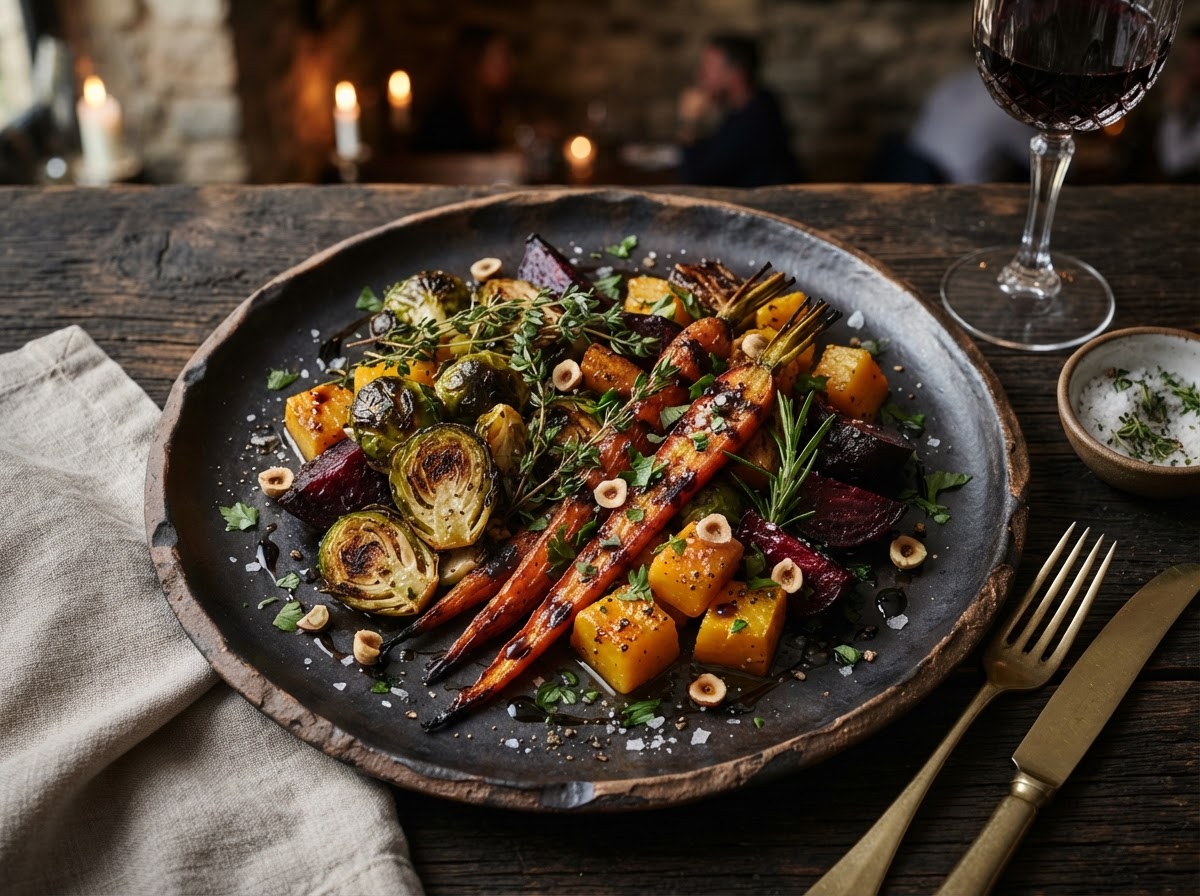
As the air cools, the menu deepens. Fall brings squash, root vegetables, mushrooms, Brussels sprouts, apples, pears, and the return of braising and roasting. The register shifts toward comfort — richer sauces, deeper spices, heartier portions. A fall menu should make guests feel gathered and warmed, the culinary equivalent of a sweater and a fire.
- Starters: roasted squash soup, mushroom tart, warm grain salads.
- Mains: braised short ribs, roasted pork, hearty root vegetable mains.
- Sides: caramelized Brussels sprouts, herbed root mash.
- Desserts: apple and pear, spiced cakes, warm crumbles.
Winter: Indulgence and Celebration
Winter menus lean into richness and celebration — the season of citrus, dark leafy greens, root cellars, and holiday indulgence. This is when braises, roasts, and slow-cooked dishes shine, and when desserts can carry chocolate, spice, and warmth. A winter menu should feel like a reward against the cold — substantial, warming, festive.
Winter is also citrus season, and a bright citrus element — in a starter, a sauce, a dessert — cuts through the richness and keeps a heavy menu from feeling monotonous. Use winter citrus the way summer uses herbs: as the bright thread that runs through the meal.
Let the Season Set the Mood
Beyond ingredients, season sets mood. A spring wedding wants lightness and air; a winter anniversary wants warmth and depth. Matching the menu's emotional register to the season makes an event feel inevitable, as though it could not have been held at any other time. That coherence is felt even when it is not named.
Seasonality Lowers Cost
There is a practical side: ingredients in season are abundant, and abundance means lower cost. A menu built around peak-season produce delivers more flavor per dollar than one fighting the calendar. If budget is a consideration — and it usually is — let the season do the heavy lifting on both flavor and value.
Plan for the Year, Not Just the Day
For hosts who plan recurring events — annual dinners, quarterly celebrations — a seasonal approach gives each occasion its own character. The spring dinner and the fall dinner become distinct experiences rather than repetitions. Seasonal menus keep a recurring series fresh and give guests a reason to anticipate each one.
Work With the Season, Not Against It
The strongest seasonal menus do not force out-of-season ingredients to perform. They celebrate what the season does well and design around its limits. A caterer who understands the seasons will steer you toward the ingredients that will shine at the time of your event — and away from those that will not, no matter how much you love them.
The Season Is the Menu's Foundation
Trends come and go, but season is constant. A menu built around what the earth offers at the time of your event tastes better, costs less, and feels right in a way that no amount of cleverness can replicate. Season is not a constraint on the menu — it is the menu's foundation.
If your event falls in a particular season, let's design the menu around what that season does best. At Nani Cuisine, we build seasonal catering menus that celebrate the time of year you celebrate — with the ingredients, flavors, and mood that belong to the moment. Request a catering quote and we will craft a menu rooted in your season.
Ready to hand the cooking to a private chef?
We design weekly meal prep and private chef experiences around your preferences, dietary needs, and schedule — so your week runs on food you actually look forward to.
Keep Reading
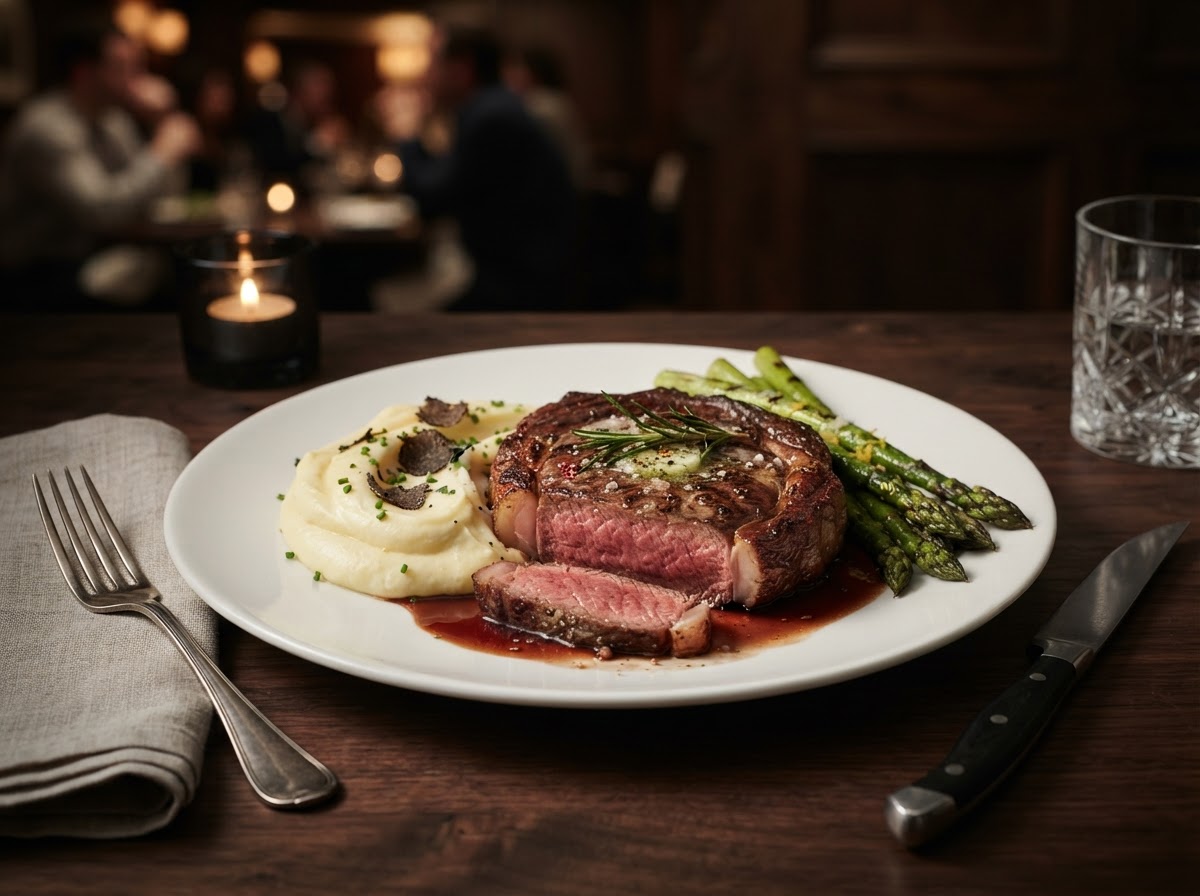
Hiring a Private Chef for Weekly Meal Prep: Is It Worth It?
A private chef for weekly meals sounds like a luxury. For many busy households, it is the most practical decision in the budget. Here is how to tell.
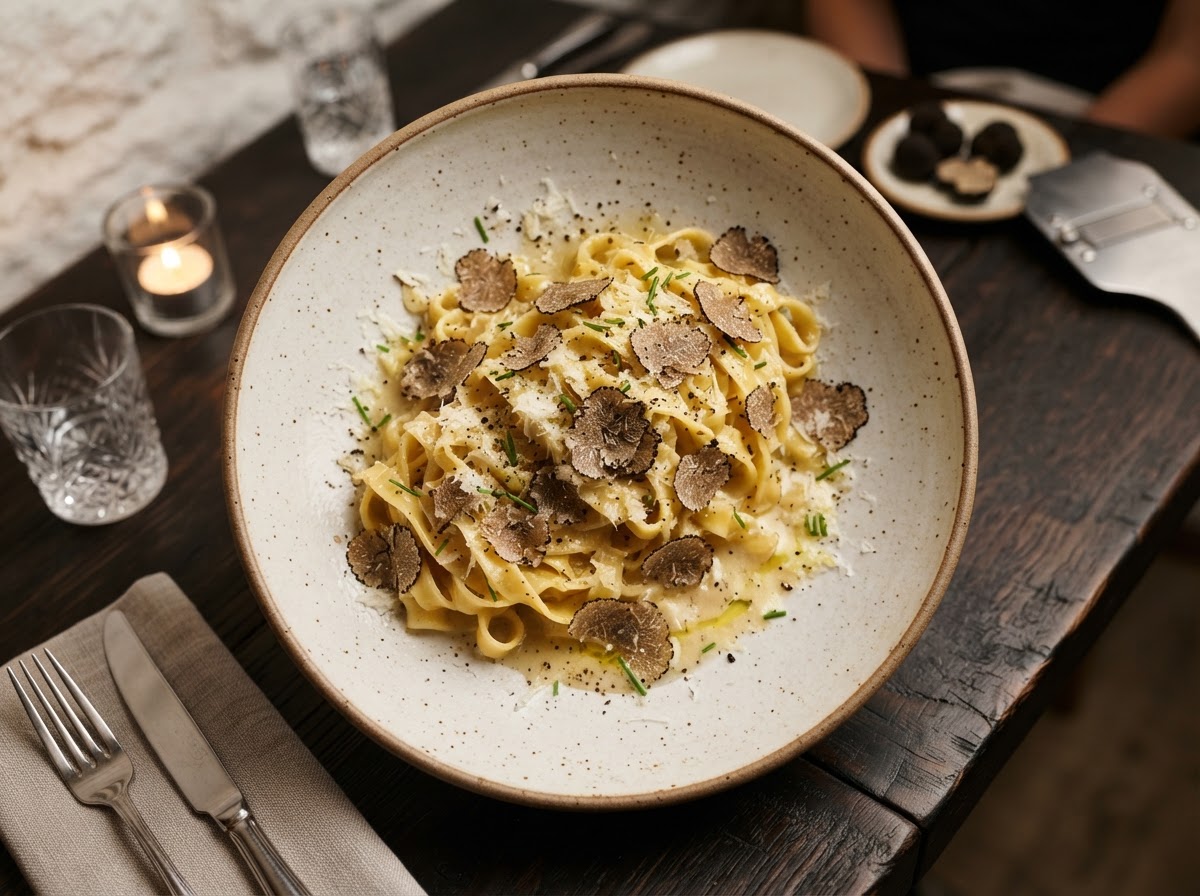
Seasonal Meal Prep: Eating Fresh All Year Round
The best meal prep follows the seasons. Here is how to rotate your batch cooking and meal planning around what is actually fresh, flavorful, and affordable right now.
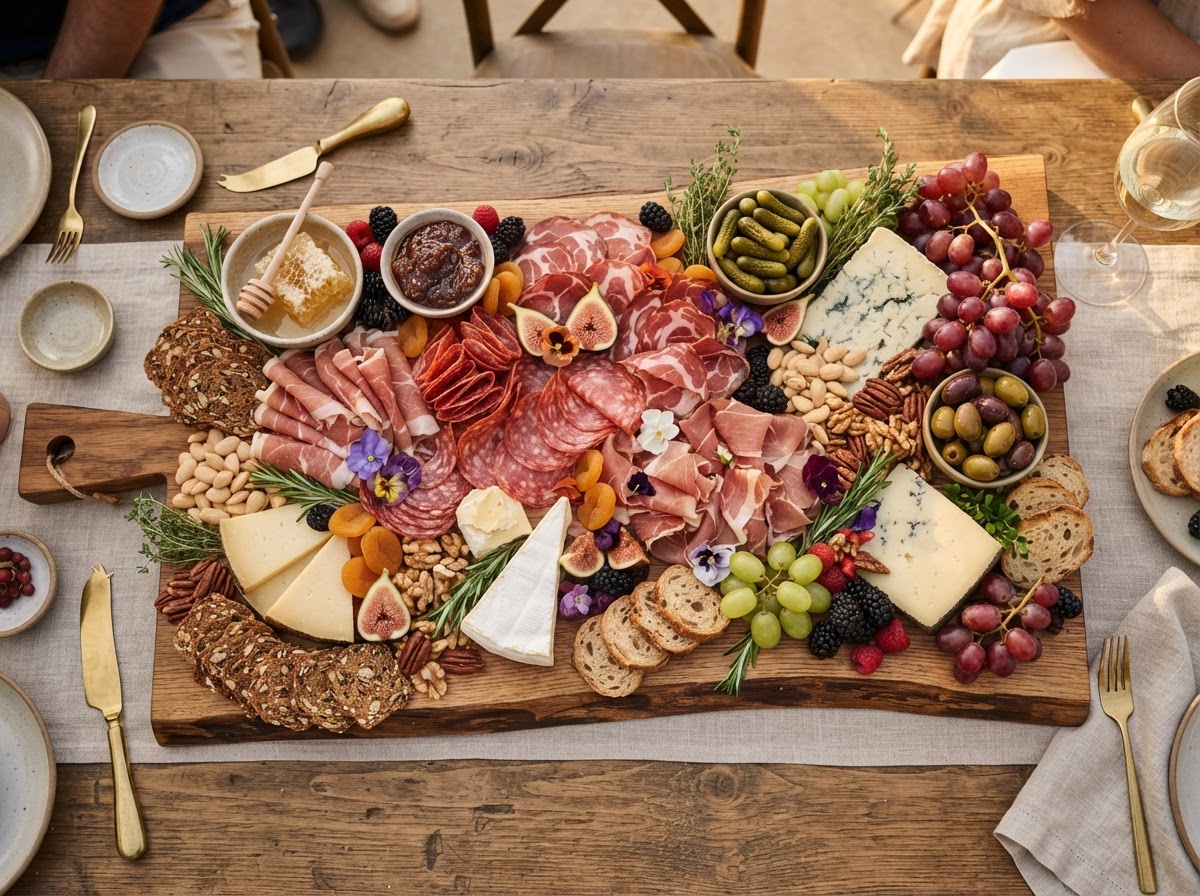
Balanced Meal Prep: Nourishing Plates for the Whole Week
Nourishing does not have to mean boring. Here is how to build balanced meal-prep plates that are satisfying, colorful, and good for five days running.