
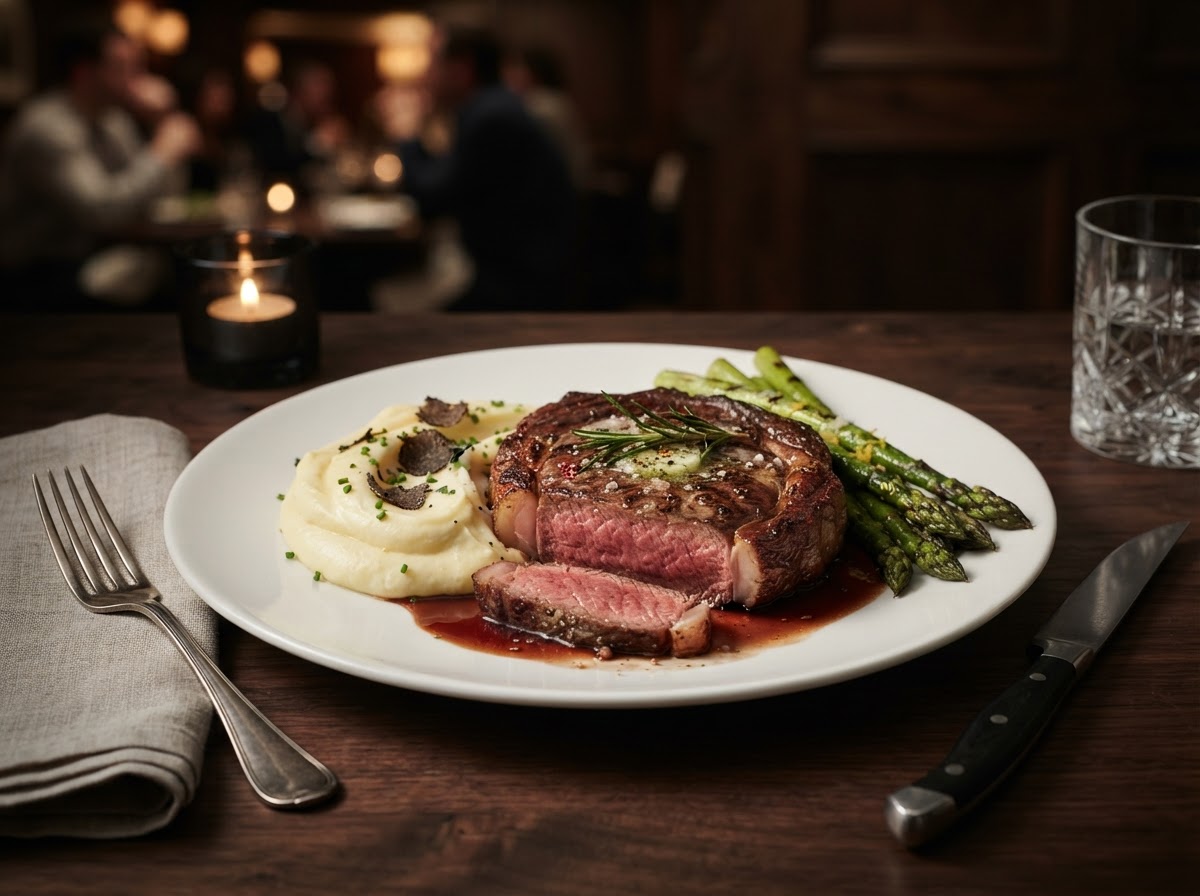
Wedding Catering Budget: How to Maximize Value
November 30, 2021
A wedding catering budget is a series of choices. Here is how to allocate it so the food feels abundant and memorable without overspending.
Catering is typically one of the largest line items in a wedding budget, and how that budget is allocated shapes the entire culinary experience. The goal is not simply to spend less — it is to spend in a way that maximizes the feeling of abundance and quality. A well-allocated budget delivers a memorable meal at many price points. Here is how to think about it.
Start With an Honest Total
The first step is an honest total catering budget, shared early with the caterer. A caterer who knows the real number can design a menu that maximizes value within it — allocating spend where it matters most and exercising restraint where it does not. A vague or aspirational budget leads to proposals that miss the mark. Honesty here is the foundation of a good plan.
Understand What Drives Cost
Wedding catering cost is driven by several factors, and understanding them lets you make informed tradeoffs.
- Guest count — the single biggest driver; every guest adds food, service, and rental cost.
- Service style — plated costs more than buffet due to higher staffing.
- Protein choices — premium proteins raise the per-guest cost.
- Number of courses — more courses mean more food and more service.
- Staffing ratio — more servers means higher cost but smoother service.
Guest Count Is the Biggest Lever
Because every guest adds cost across food, service, and rentals, the guest count is the most powerful budget lever. A carefully curated guest list is not just a social decision — it is a budget decision. A smaller, well-fed wedding often delivers a better culinary experience per guest than a larger one with a stretched budget. Consider the tradeoff between size and quality honestly.
Choose Service Style Strategically
Service style carries a significant cost difference. Plated service, with its higher staffing ratio, costs more than buffet or family-style. If budget is a constraint, a beautifully executed buffet or family-style dinner can deliver an experience that feels just as considered at a lower cost. The right style for your budget, done excellently, outperforms the wrong style done adequately.
Allocate Spend Where It Matters Most
Not every course deserves equal investment. The cocktail hour and the main course are where guests form their strongest impressions — invest there. A slightly simpler starter or dessert, paired with a standout main and an abundant cocktail hour, delivers more perceived value than evenly distributed mediocrity. Concentrate spend on the moments that matter most.
Let Seasonality Lower Cost
Seasonal ingredients are not just better — they are less expensive, because they are abundant. A menu built around what is in season at the time of the wedding delivers more flavor per dollar than one fighting the calendar. Let the season guide the core ingredients, and the budget stretches without sacrificing quality. This is one of the easiest wins in wedding catering.
Be Strategic About Proteins
Protein choice is a significant cost driver. Premium proteins raise the per-guest cost substantially. A beautifully executed, slightly less premium protein — a refined chicken or pork, a well-prepared fish — can be as memorable as a premium cut at a lower cost. The execution matters more than the cut. Choose proteins that let the budget breathe.
Right-Size the Courses
More courses mean more food and more service, both of which add cost. A three-course meal — starter, main, dessert — is often the sweet spot of satisfaction and value. Adding courses increases cost without always increasing satisfaction. Right-size the courses to the occasion and the budget rather than assuming more is better.
Invest in Service Where It Counts
Understaffing is a false economy — it saves money on staffing but degrades the guest experience, which is the whole point. Invest enough in service to keep the meal flowing smoothly. The right staffing ratio is not a luxury; it is the difference between a wedding that feels hosted and one that feels chaotic. This is not the place to cut.
Watch for Hidden Costs
Catering quotes can carry hidden costs — service charges, rental fees, overtime, cake cutting. Ask explicitly what is included and what is extra. A quote that looks low may balloon with add-ons; a quote that looks higher may be all-inclusive. Compare on a like-for-like basis. Clarity in pricing protects the budget from surprises.
The Value Mindset
Maximizing value is not about spending the least — it is about spending intentionally. A budget allocated to the moments that matter, supported by seasonality, strategic protein choices, right-sized courses, and adequate service, delivers a wedding meal that feels abundant and memorable. The goal is the best possible experience within the budget, not the cheapest possible experience.
If you are planning a wedding catering budget, let's allocate it together. At Nani Cuisine, we design wedding catering that maximizes value within your real budget — concentrating spend where it matters and exercising restraint where it does not. Request a catering quote and we will build a plan that feels abundant without overspending.
Ready to hand the cooking to a private chef?
We design weekly meal prep and private chef experiences around your preferences, dietary needs, and schedule — so your week runs on food you actually look forward to.
Keep Reading
Hiring a Private Chef for Weekly Meal Prep: Is It Worth It?
A private chef for weekly meals sounds like a luxury. For many busy households, it is the most practical decision in the budget. Here is how to tell.
Seasonal Meal Prep: Eating Fresh All Year Round
The best meal prep follows the seasons. Here is how to rotate your batch cooking and meal planning around what is actually fresh, flavorful, and affordable right now.
Balanced Meal Prep: Nourishing Plates for the Whole Week
Nourishing does not have to mean boring. Here is how to build balanced meal-prep plates that are satisfying, colorful, and good for five days running.